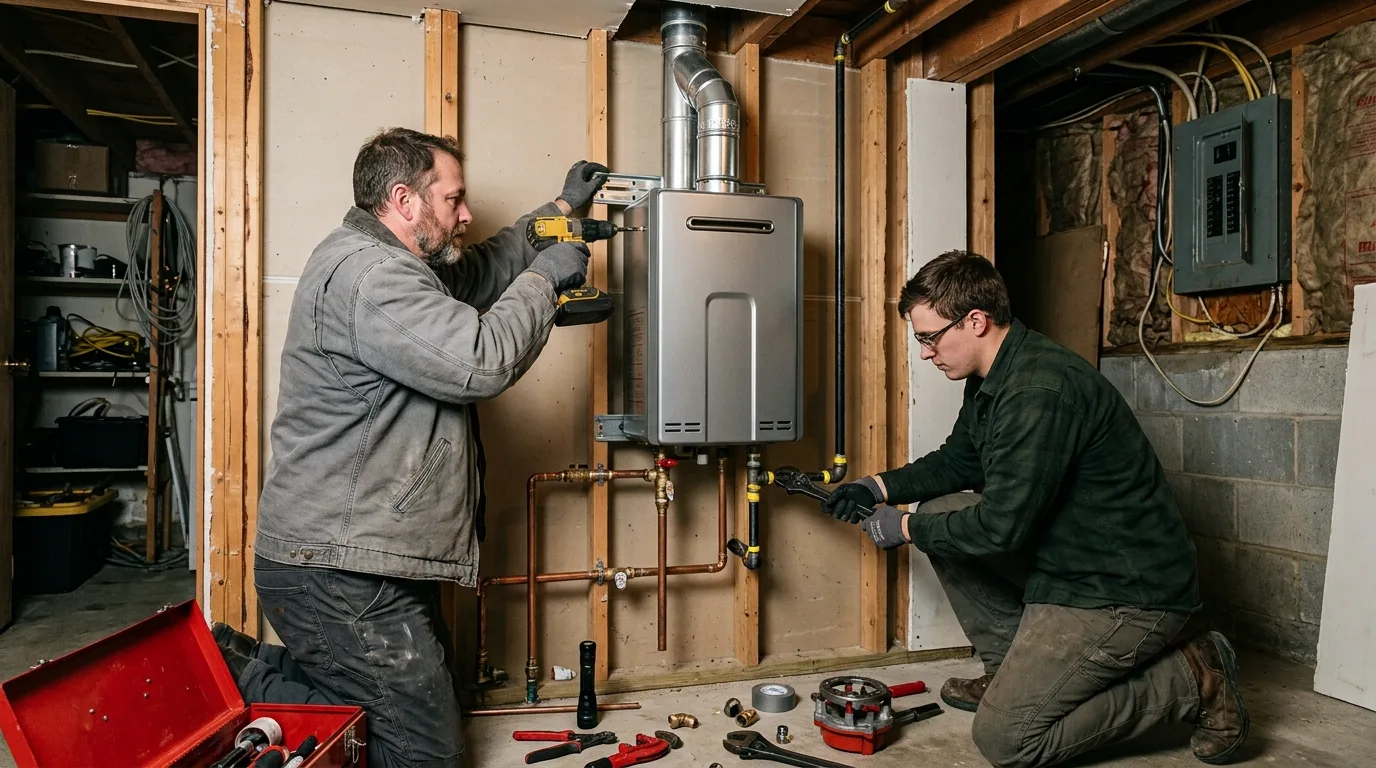
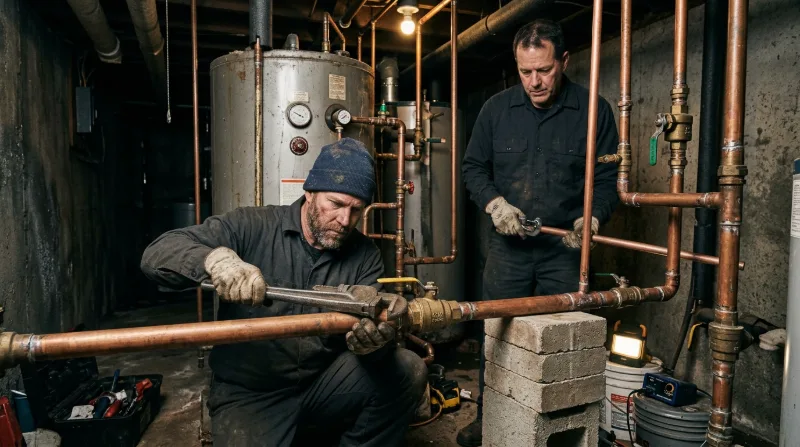
Repair where repair works
Valves, thermocouples, elements and igniters are parts, not reasons to sell you a tank.
Hard water accounted for
Scale is the local villain, and it changes both the diagnosis and the maintenance advice.
Replacement priced honestly
When the tank is finished you get the number, the options, and the permit requirement stated.
Same-day where possible
A cold house with children in it is treated as urgent, not as a routine appointment.
Read the symptom
What each failure actually sounds and looks like
Water heaters are among the most diagnosable appliances in a house, because their failure modes announce themselves distinctly. The trick is knowing which symptom maps to a twenty-dollar part and which maps to a new tank, and that is where a lot of money changes hands unnecessarily.
Start with the type. A conventional gas tank heater has a burner underneath, a flue up the middle, a gas control valve with a thermostat, and either a standing pilot with a thermocouple or an electronic igniter. An electric tank heater has two heating elements with their own thermostats and no combustion at all. A tankless unit fires on demand, modulating a burner against a flow sensor, and has its own set of error codes. The same complaint, "no hot water", means something different on each.
Water coming from the body of the tank is not repairable. Fittings, connectors and the T&P discharge line can be fixed; a perforated tank cannot. If water is emerging from the shell or pooling under the center of the unit, shut the cold inlet valve on top and the gas cock or breaker, and call, there are forty to seventy-five gallons behind that shell.
No hot water at all
On a gas tank heater, the first question is whether the pilot is lit. If it is out and will not relight, the most common culprit is the thermocouple, a sensor that generates a small current when heated and tells the gas valve it is safe to stay open. When it weakens, the valve shuts the gas off as a safety measure. It is an inexpensive part and a straightforward replacement. Second on the list is the gas control valve itself, third is a blocked or fouled pilot orifice, and fourth is a thermal switch that has tripped because the burner compartment overheated, often from restricted combustion air, which is a real issue in tight garage installations and closets.
On an electric heater, no hot water usually means a tripped high-limit switch, a failed upper element or a failed upper thermostat. Elements burn out routinely, particularly in hard water where scale builds on them and causes local overheating. Testing an element for continuity takes minutes and settles it.
On a tankless unit, no hot water is usually accompanied by an error code, and the code is the diagnosis. The common causes are ignition failure from gas supply issues, a flow sensor that is not registering demand, or a unit in lockout after repeated failed ignition attempts. Do not skip the obvious: check that the gas is on and that no upstream appliance change has starved the unit of gas volume.
Lukewarm water, or hot water that runs out fast
This is the sediment conversation, and in this part of Orange County it is the most common heater complaint there is. Imported water here carries enough mineral content that scale accumulates steadily on the bottom of a gas tank and on the elements of an electric one.
On a gas heater, that layer sits between the burner and the water it is supposed to heat, so the burner has to run longer to achieve the same result. Recovery time stretches out, the fuel bill creeps up, and the tank starts to make noise. On an electric heater, scale coats the elements and causes them to fail early. In both cases usable capacity drops, because the bottom portion of the tank is occupied by sediment rather than water.
Sometimes the cause is simpler and worth checking first. A failed lower element on an electric heater produces exactly this symptom, a small amount of hot water from the upper element, then cold. A broken dip tube sends incoming cold water straight to the top of the tank, mixing with the hot. A gas control thermostat drifting out of calibration produces water that is warm rather than hot. And a crossover through a mixing valve or a failed single-handle fixture cartridge lets cold water into the hot line, which presents as lukewarm water everywhere and is not a heater fault at all.
Rumbling, popping and banging
A tank that rumbles or pops is telling you about sediment. Water trapped beneath the scale layer superheats and flashes to steam, which escapes through the deposit with a percussive noise. It is the clearest audible sign that a tank needs flushing, and if it has been left long enough, that flushing may no longer help much.
Flushing a tank annually is genuinely worthwhile here, and it is one of the few maintenance tasks with an obvious payback in this water. It is also worth knowing that a tank which has never been flushed and is now heavily scaled sometimes cannot be fully recovered, the deposit hardens, the drain valve blocks with debris, and the honest advice may be to plan a replacement rather than chase the sediment.
A separate noise worth naming: a ticking or knocking in the pipes rather than the tank, which is usually thermal expansion in a system with high static pressure and no expansion tank. That is a pressure problem, not a heater problem, and it deserves a gauge at a hose bib rather than a heater diagnosis.
Leaks, valves and the things that are actually urgent
Where the water is coming from decides everything. Water at the cold inlet or hot outlet connections, at a flex connector, or at the drain valve is a repair. Water from the temperature and pressure relief valve discharge line is a signal rather than a fault, the T&P valve is doing its job, and the reasons are excessive temperature, excessive pressure, or a failed valve. Do not cap or plug that line under any circumstances; it is the safety device that stops a tank becoming dangerous.
Water emerging from the shell of the tank, or pooling beneath the center of the unit with no visible source above, means the tank has perforated. The steel is lined with glass which cracks over time, and the sacrificial anode rod that protects the exposed steel eventually depletes. Once it is through, there is no repair. Shut the cold inlet and the gas or power, and get it replaced.
While you are looking, check two more things. The seismic strapping: California requires water heaters to be braced, and missing or inadequate strapping is one of the most commonly flagged items on inspections of older installations. And the anode rod, if the heater is five or more years old, replacing a depleted anode is a cheap way to extend the life of a tank that is otherwise sound.
Repair or replace, decided honestly
Repair when the tank is sound and the fault is a component: thermocouple, gas control valve, igniter, element, thermostat, dip tube, T&P valve, drain valve, flex connector, or a flush that will genuinely restore performance. On a heater under about eight years old, that is nearly always the right answer.
Replace when the tank itself has failed, when the heater is past its expected service life and needs a significant part, when it is undersized for how the household now uses hot water, or when it fails repeatedly. Around the ten to twelve year mark in hard water, spending significantly on a tank is usually money moved rather than money saved.
And if you are replacing, replace deliberately. That is the one moment when changing capacity, switching to a high-recovery tank, or moving to tankless is cheap to consider, and the moment to check static pressure, install an expansion tank if the system needs one, and bring the strapping and venting up to current requirements. Replacement is permitted work through the City of Buena Park, with inspection at the end, and that permit is worth having.
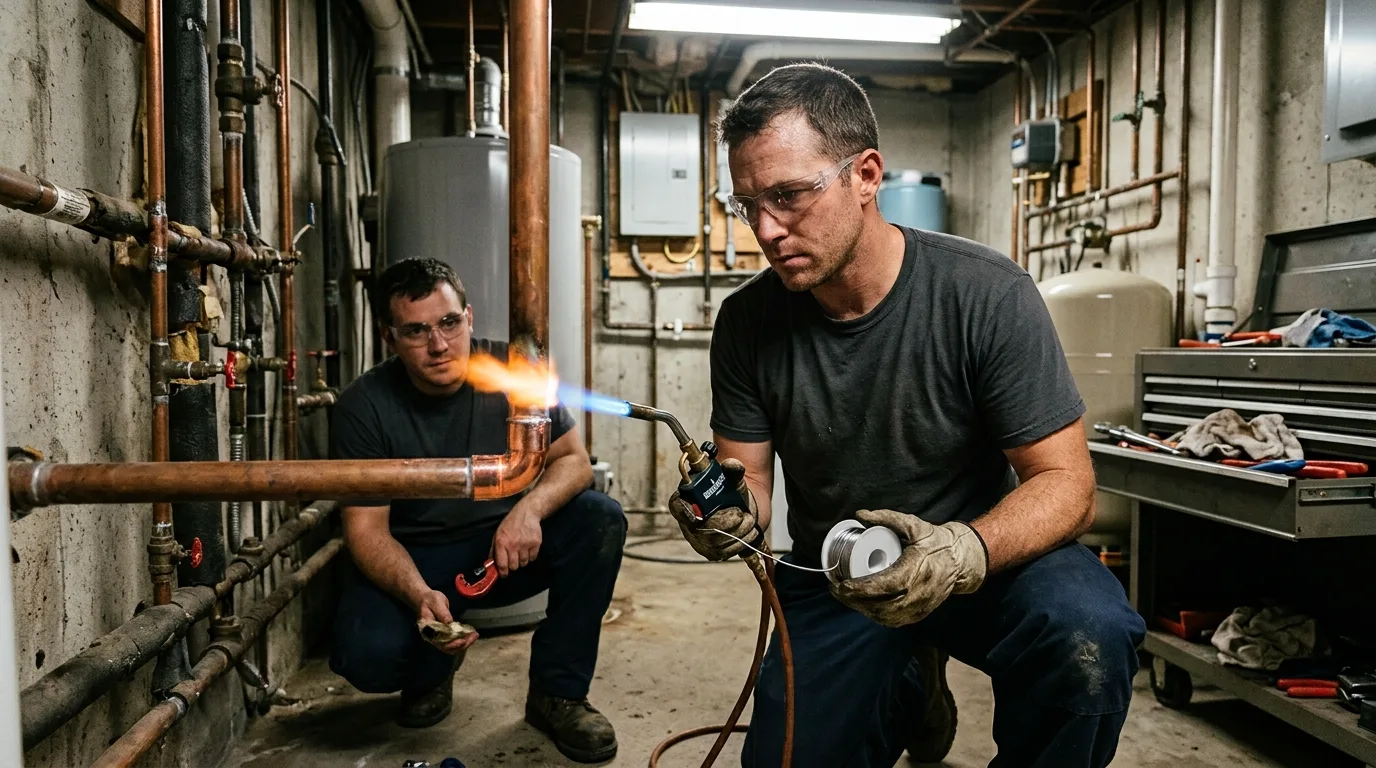 1 yrFlush interval
Hard water maintenance
The half-hour a year that buys you years
Nearly every early water heater failure in this area traces back to scale. The maintenance that prevents it is unglamorous and quick.
Do these, or have them done during any visit where a plumber is already in the garage.
- Flush the tank annually draws sediment off the bottom before it hardens into a layer the burner has to heat through.
- Descale a tankless unit non-negotiable in this water, and the single largest factor in tankless longevity.
- Check the anode rod at five years a cheap part that protects the tank steel once the glass lining has begun to craze.
- Test the T&P valve and never cap the discharge line, whatever it is dripping.
- Gauge the static pressure high pressure kills heaters and fixtures quietly, and an expansion tank often belongs in the fix.
Add a Heater Flush to a Visit
Worth combining with any other plumbing appointment rather than booking on its own.
Water pooling under the tank?
Shut the cold inlet valve on top and the gas cock or breaker, then call. There are up to seventy-five gallons behind that shell.
Send Someone for a Failing Heater
Tank failures are dispatched around the clock, particularly in garages and interior closets.
The visit
How a heater call is worked
Diagnosis before parts, and parts before replacement. That order saves most homeowners a tank.
01
Identify and inspect
Type, age, capacity, venting, combustion air, strapping and connections. Half the answers are on the data plate and the flue.
02
Test the components
Thermocouple, gas valve, igniter, elements, thermostats, dip tube and T&P valve, measured rather than guessed at.
03
Repair or advise
Parts replaced where the tank is sound. Where it is not, you get the replacement price and the reasoning behind it.
04
Set it up to last
Flush, descale, expansion tank and pressure check, so the new problem is not identical to the old one.
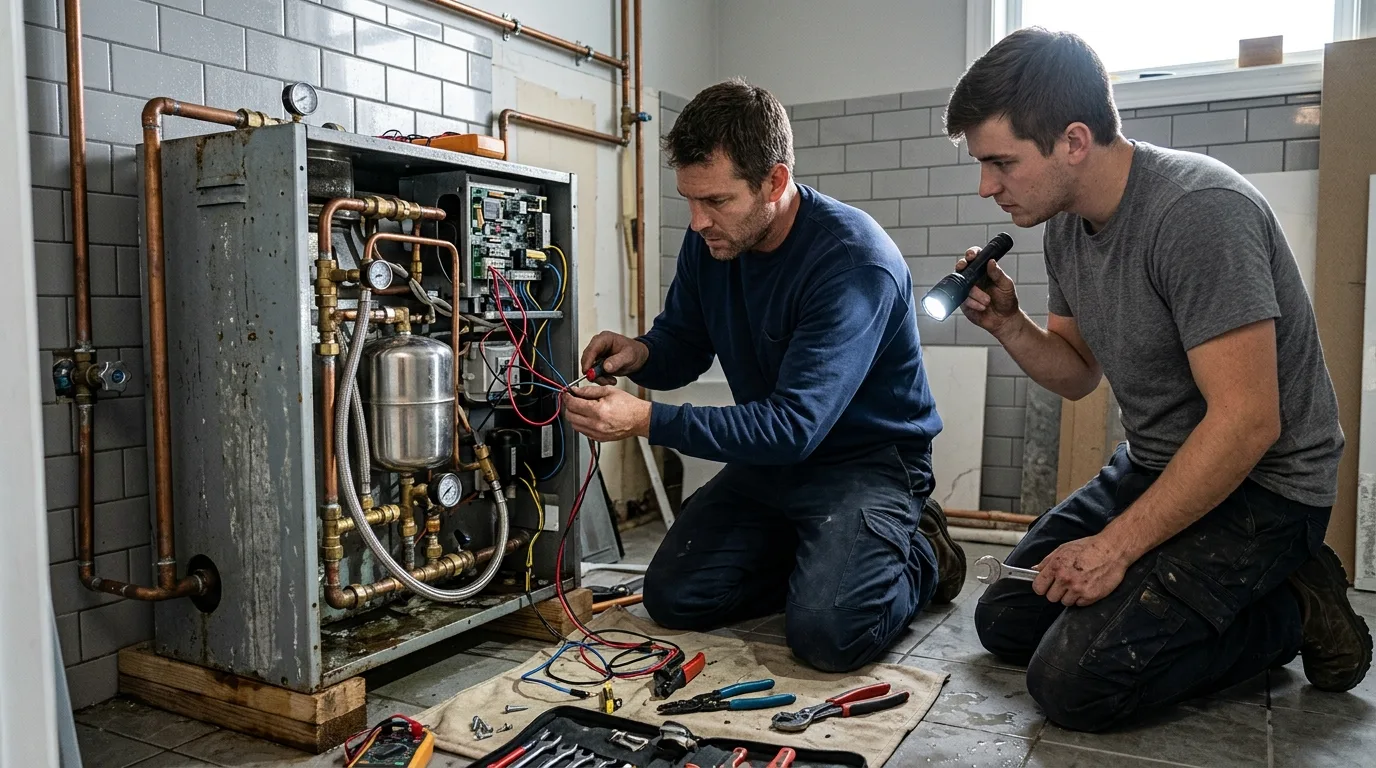
Hotels & high-occupancy
When "no hot water on the third floor" is not the heater
In a hotel or a multi-tenant building, the fixture is almost never where the problem lives. Complaints cluster at peak demand, the check-out hour, the pre-shift rush in a kitchen, and the cause is usually plant capacity, a recirculation loop that has stopped returning, or a booster pump that has lost pressure.
That means the diagnosis starts at the plant and the loop rather than at the tap. Banked heaters with one unit down look fine on paper and fail at peak. A dead recirculation pump leaves the far end of a run cold no matter how hot the plant is. Getting that sequence right is the difference between fixing it and replacing something expensive that was working.
- Commercial water heater and boiler plant diagnosis, including banked and staged systems
- Recirculation loop and pump faults, mixing valve failures and balancing problems
- Booster pump and pressure system issues on upper floors and long horizontal runs
- Overnight and pre-open service windows so plant work never lands during service hours
Get a Plant-Level Diagnosis
Facility managers: tell dispatch how many rooms or units are affected and at what time of day it starts.
Questions we get on these calls
Water heater questions
A conventional tank typically gives eight to twelve years, and in this water the lower half of that range is more realistic than the upper unless it has been flushed regularly. Tankless units can run considerably longer, but only with descaling, neglected in hard water, they underperform and fail early. The single biggest variable here is not brand or price, it is whether anyone ever dealt with the scale.
Most often the thermocouple, a sensor that generates a small current when heated to tell the gas valve it is safe to stay open. As it weakens, the valve shuts the gas off as a safety measure and the pilot dies. It is an inexpensive part and a quick replacement. Other candidates are a fouled pilot orifice, a failing gas control valve, restricted combustion air in a tight closet or garage, and a tripped thermal switch. All are diagnosable in one visit, none of them mean you need a new heater.
Sediment. Scale accumulates on the bottom of the tank, water trapped beneath it superheats and flashes to steam, and the steam escapes through the deposit with that percussive noise. It is the clearest sign a tank needs flushing. If it has gone unflushed for years the deposit hardens and a flush may not fully recover performance, which is worth knowing before you pay for one. Annual flushing genuinely pays for itself in this water.
Repair when the tank is sound and the fault is a component, thermocouple, gas valve, igniter, element, thermostat, dip tube or valve. On a heater under about eight years old that is nearly always right. Replace when the tank itself has perforated, when a heater past its service life needs a substantial part, when it is undersized for how the household actually uses hot water, or when it keeps failing. Around ten to twelve years in hard water, big spending on a tank is money moved rather than saved.
It is a signal that something needs attention, and it should never be ignored or capped. The temperature and pressure relief valve discharges when temperature or pressure exceeds safe limits, or when the valve itself has failed. Common causes are a thermostat set too high, excessive static pressure in the system with no expansion tank to absorb thermal expansion, or a worn valve. Plugging that discharge line removes the safety device that keeps a tank from becoming genuinely dangerous.
It can be, with two honest caveats. First, descaling is mandatory in this water, not optional, so budget for the maintenance you are trading the tank for. Second, retrofits often need more than the unit: a larger gas line to supply the burner, different venting, and sometimes electrical work. Where it shines is endless hot water, a much smaller footprint, and long service life in a household that will maintain it. Where it disappoints is as a like-for-like swap in a house that never maintains anything.
Yes. Water heater replacement is permitted work through the City of Buena Park and is inspected on completion. Inspectors most commonly flag seismic strapping, which California requires, along with T&P discharge routing, venting and combustion air. Take the permit, it is inexpensive, it produces an installation that meets current requirements, and it prevents an awkward conversation at resale about undocumented work on a gas appliance.
It depends on simultaneous demand rather than the number of occupants alone, which is why the old rules of thumb disappoint. What matters is how many fixtures get used at once and the recovery rate of the unit. A household of four with staggered morning showers is served well by a modest tank; the same household all showering within thirty minutes, plus a laundry cycle, needs either more capacity or a higher recovery rate. This is the conversation to have at replacement time, when changing capacity costs almost nothing extra.
Several possibilities, and one of them is not the heater at all. A crossover, cold water entering the hot line through a failed mixing valve or a worn single-handle fixture cartridge, produces exactly this and is often missed. Otherwise: a failed lower element on an electric heater, a broken dip tube sending cold water to the top of the tank, a thermostat drifting out of calibration, or heavy sediment reducing usable capacity. A plumber will check for a crossover early because it is cheap to fix and easy to overlook.
Yes, and it is treated as different work with different diagnostics. Hotels, restaurants and multi-tenant buildings run banked heaters or boiler plants with recirculation loops, mixing valves and booster pumps, and a complaint of no hot water on an upper floor is usually a loop or pump problem rather than a heating problem. Facility managers can request overnight or pre-open windows so plant work never lands during service hours.
Book a Heater Diagnosis
Tell us the age, the fuel type and exactly what you are hearing, that usually predicts the part.
Related work
Around the water heater
Replacement, tankless, and the pressure problem that quietly shortens every heater\u2019s life.
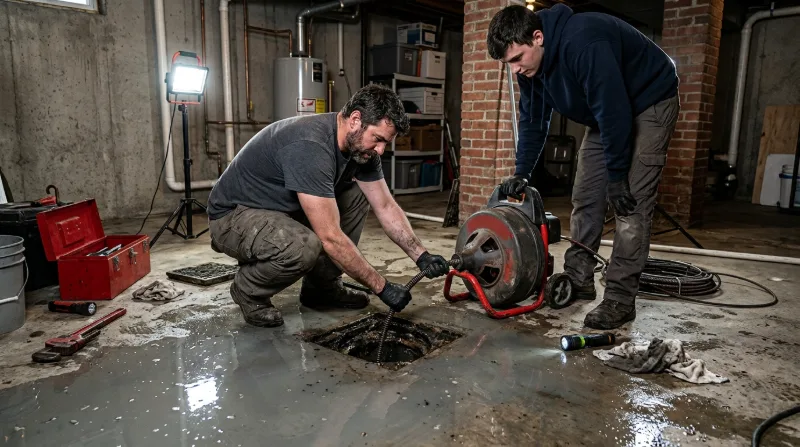
Tankless Water Heater Service
Descaling, error codes, gas sizing and venting on demand-fired units.
Tankless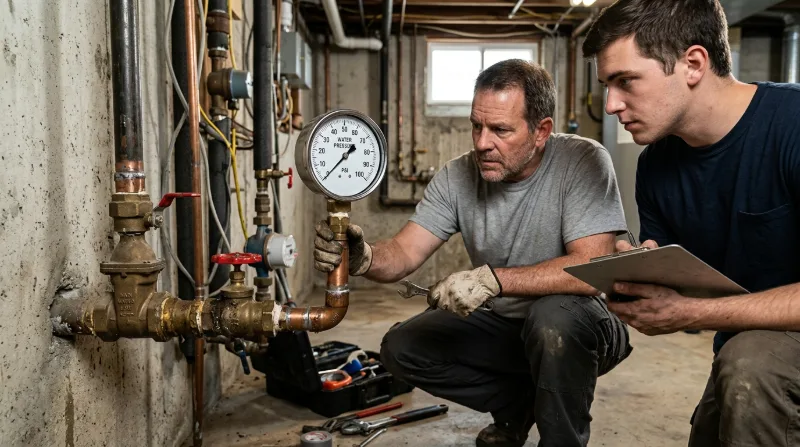
Pressure Regulator Repair
High static pressure shortens the life of heaters, fixtures and every joint.
Pressure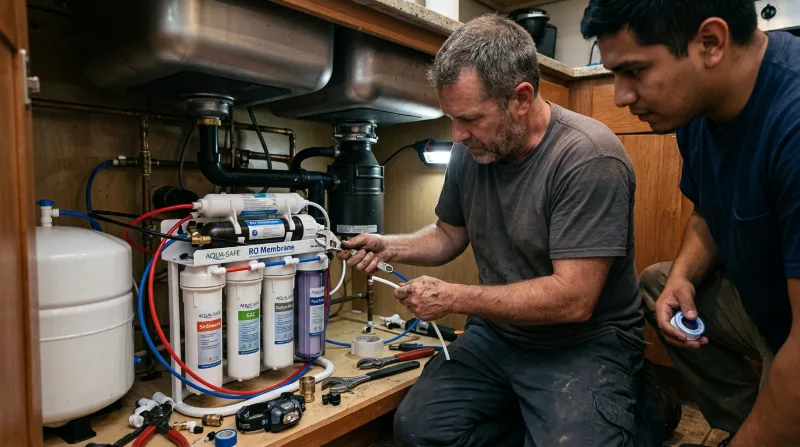
Water Softener & Filtration
The upstream answer for a house that keeps scaling its heaters and fixtures.
Water qualityDiagnose, then decide
Do not buy a tank until someone has tested the parts
Plenty of dead heaters are one component away from working. Some are genuinely finished. You deserve to know which.
Arrange a Water Heater Visit
Residential and commercial hot water across Buena Park, Fullerton, Anaheim, Cypress, La Palma and Cerritos.