Faucet & Fixture Installation
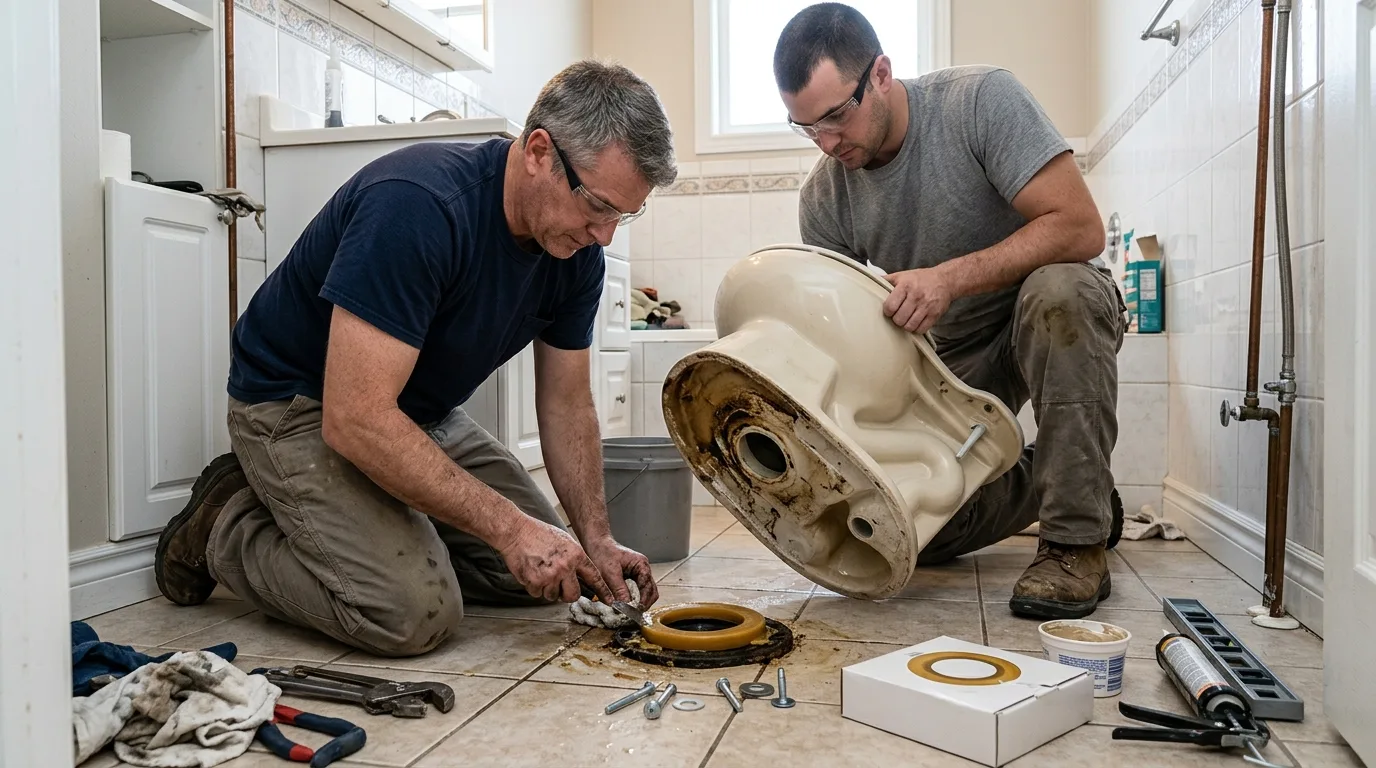
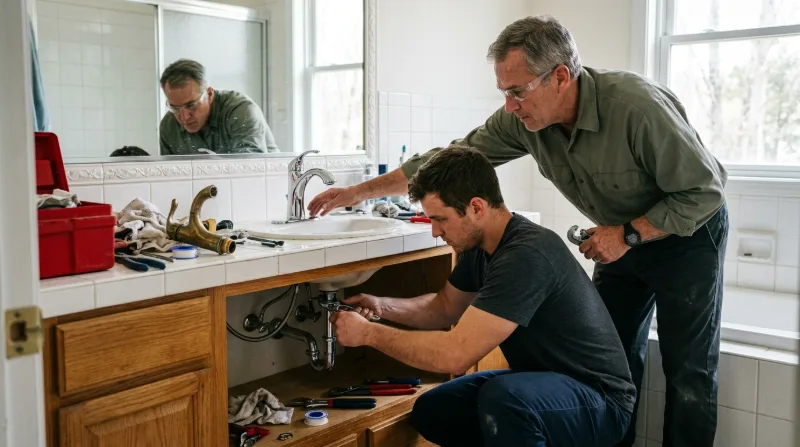
New fixtures on old supply stubs, with the angle stops replaced too.
FixturesA flapper passing silently can waste more per day than a pinhole leak in a pipe.
Fill valves, flappers, flush valves and supply lines are parts, not reasons to replace a toilet.
A rocking toilet gets the flange assessed, not just a fresh ring and a hope.
You hear the number for the repair or the swap before anything is dismantled.
Diagnose from the sound
A toilet has very few moving parts, and each one fails in a way you can identify from the next room. That makes it one of the most self-diagnosable fixtures in a house, and it means most repairs are cheap if they are addressed while they are still what they appear to be.
The three families of complaint are water that will not stop, water that will not flush properly, and water that appears where it should not. The first is almost always the flush valve seal or the fill valve. The second is either a partial blockage, a poor flush volume, or a chain and flapper problem. The third is a seal, a supply connection, or a crack, and the last of those is the one that ends the conversation.
Test for a silent leak in thirty minutes. Put a few drops of food colouring in the tank, do not flush, and come back later. Color in the bowl means the flapper is passing water continuously, which can waste more per day than a pinhole leak, and it is a cheap part and a short repair.
A toilet that refills itself in short bursts every few minutes is passing water from the tank into the bowl. The flapper or flush valve seal has hardened, warped or collected mineral deposit, and the tank slowly empties until the fill valve tops it up. In this water, flapper seals harden faster than they do in soft-water areas, which is why this is such a common local call.
A toilet that runs continuously with a hiss is usually the fill valve. Either it is not shutting off at the set level, or the float has been knocked out of adjustment, or the valve itself has failed. Both parts are inexpensive and both are quick, and replacing both together at once is generally better value than doing one now and the other in eighteen months.
A toilet that ghost-flushes, refilling briefly with nobody near it, is the same flapper problem in an earlier stage. Worth catching then, because it is the same repair at the same cost with far less water gone.
A flush that is weak but complete usually means volume: a flapper closing too early, a chain too long, or a fill level set below the mark inside the tank. All three are adjustments rather than repairs.
A flush that starts and then backs up is a blockage, and it sits either in the toilet’s own internal trap or in the branch just downstream. Wipes marketed as flushable are the leading cause by a wide margin, they do not break down, they snag on any imperfection in the pipe, and then they collect everything that follows. Cotton products, dental floss, paper towels and cat litter behave the same way. In the older cast iron and clay lines common in this housing stock, the interior surface gives them plenty to hang on.
A toilet that blocks repeatedly is telling you something more specific. Either an object is lodged in the trap and is catching everything passing, or the branch downstream has an obstruction or a defect. A camera answers that quickly, and it is worth doing rather than plunging the same toilet every month.
One more pattern: if the toilet bubbles or its water level moves when another fixture drains, that is a venting or main line issue rather than a toilet fault. Say so on the phone, because it changes what the visit needs to cover.
A toilet that moves when you sit on it is not a nuisance, it is a countdown. Every movement works the wax ring, and once that seal is compromised, water and waste escape under the base at every flush, into the subfloor, where you will not see it until the damage is done.
Sometimes the fix is simply tightening the closet bolts and shimming the base. Frequently it is not, because the reason it moves is the flange: the fitting that connects the toilet to the drain and anchors it to the floor. Old cast iron flanges corrode, plastic flanges crack, and flanges set below finished floor level after a tile job cannot seal properly no matter how many rings are stacked on them.
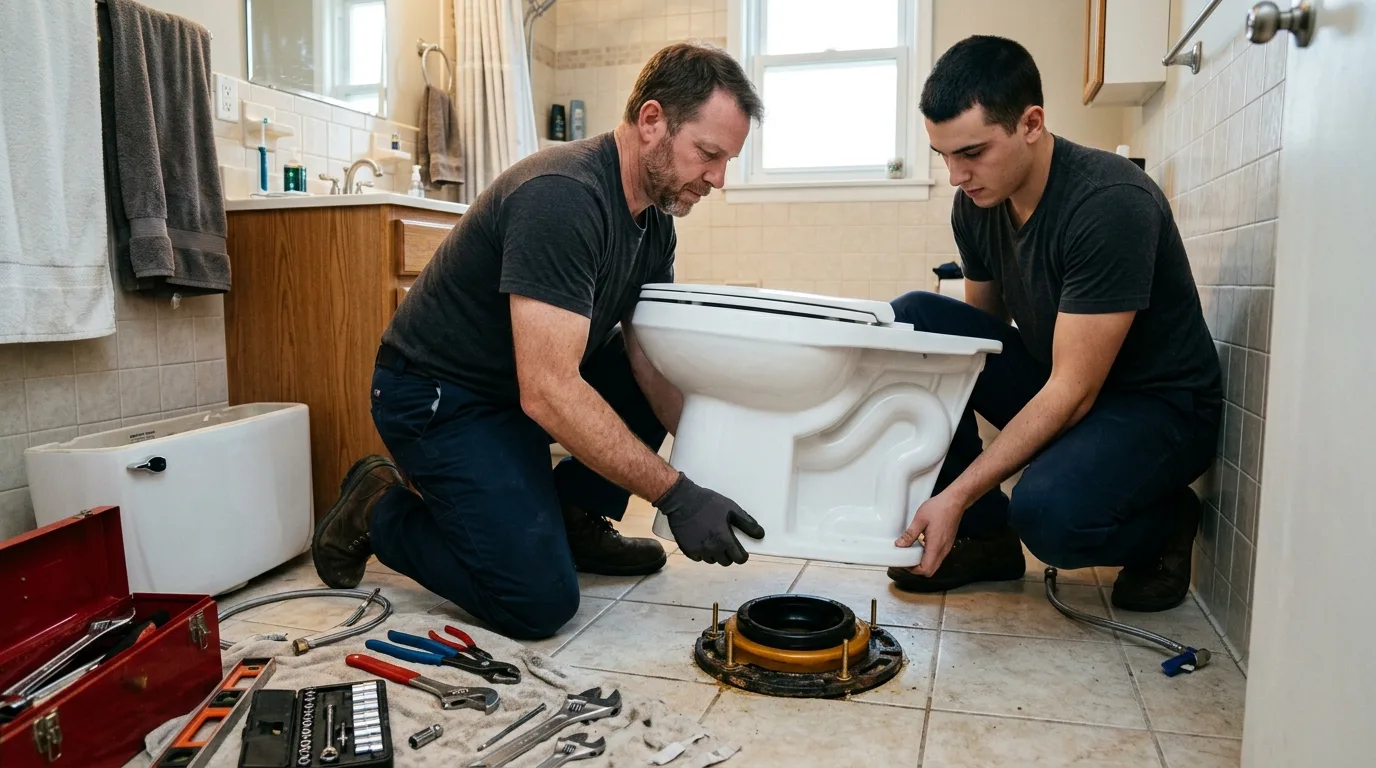
A proper repair lifts the toilet, inspects the flange, repairs or replaces it, addresses subfloor damage if there is any, then resets the toilet on a new seal with new bolts. Anyone who offers to fix a rocking toilet without lifting it is guessing, and the guess is usually wrong.
Signs the seal has already failed: a smell of sewage near the base, staining or softness in the flooring around it, or a persistently damp patch. At that point the subfloor is part of the job, and the sooner it is opened the smaller that part is.
Replacement makes sense when the tank or bowl is cracked, when the internal trap is glazed rough and blocks repeatedly, when the fixture is an old high-volume unit and water use matters, or when a remodel is driving it. It is otherwise rarely necessary, the parts inside a toilet are all replaceable.
Two practical points on new toilets. Rough-in distance, the measurement from the wall to the closet bolts, has to match, and older houses are not all standard. And flush performance varies considerably between models at the same nominal volume; a poorly performing low-flow toilet that needs two flushes is worse for water use than a good one, so this is a place where the specific model matters more than the specification.
While the toilet is off the floor, several items are trivially cheap and annoying later: the angle stop, which on older installations is frequently seized and will snap the first time anyone tries to close it; the supply line, which should be a modern braided one rather than a twenty-year-old original; the closet bolts; and the flange, if it is anything other than sound. Ask for all four to be included rather than reused.
Flushometer valves, the exposed manual or sensor valves used in commercial restrooms, are a different repair entirely. They fail on diaphragms, seals and sensors, and they are rebuilt rather than replaced in most cases. In a hotel, restaurant or venue restroom, a running flushometer wastes water continuously and often goes unnoticed for weeks because nobody is listening for it.
High-occupancy restrooms also fail differently: more frequent blockages, more foreign objects, higher wear on seats and seals, and floor flanges that loosen from constant use. Scheduled checks catch running valves and loose fixtures before they become water bills or leaks into the floor below, which, in a multi-story building, is the failure that matters.
 Lift itTo diagnose it
The rocking toilet
Movement means the seal is being worked at every use, and the cause is normally underneath rather than at the bolts. Overtightening a rocking toilet cracks the china.
Here is what a proper diagnosis looks at once the fixture is lifted.
Cheapest while it is only a seal. Expensive once it is subfloor.
That combination is the main line, not the toilet. Stop using water everywhere in the building and call.
Main line stoppages are dispatched at any hour, they do not stay contained.
The visit
Small jobs still deserve a diagnosis. Four steps, and the last one is what stops a repeat visit.
Running, weak, blocked or leaking, established by observation and a dye test rather than by replacing parts speculatively.
Internal parts replaced in place where that is the fault. Seal and flange problems mean the fixture comes off the floor.
Flange repaired, subfloor checked, angle stop and supply line replaced, and any downstream blockage investigated properly.
Reset on a new seal with new bolts, levelled and secured, then flush tested and checked for movement and seepage.
Questions we get on these calls
Put a few drops of food colouring in the tank, leave it thirty minutes without flushing, and look in the bowl. Color in the bowl means the flapper or flush valve seal is passing water continuously. It is the most common household water waste there is, easily larger than a pinhole leak in a pipe, and it is a cheap part and a short repair. Mineral-rich water hardens flapper seals faster here than in soft-water areas.
Either the flush valve seal is not sealing, so water passes into the bowl and the tank refills in bursts, or the fill valve is not shutting off, which produces a continuous hiss. Both parts are inexpensive and quick to change. Replacing both at the same visit is usually better value than doing one now and returning for the other in eighteen months, since they age at a similar rate in the same water.
Yes. Every movement works the wax ring, and once that seal is compromised, water and waste escape under the base at each flush into the subfloor, where you will not see it until there is damage. Sometimes tightening and shimming is enough. Often the cause is the flange underneath, corroded, cracked, or set too low after a tile job. Diagnosing it properly means lifting the fixture, and overtightening a rocking toilet cracks the china instead of fixing it.
They are the single most common cause of avoidable toilet and branch line blockages. They do not break down the way toilet paper does, so they snag on any imperfection, root or scale in the pipe and then collect everything that follows. In the older cast iron and clay lines common across this housing stock, the rough interior gives them plenty to catch on. The same applies to cotton products, dental floss, paper towels and cat litter.
Because something is causing it repeatedly rather than by chance. Either an object is lodged in the toilet’s internal trap and is catching everything that passes, or the branch line downstream has an obstruction or a structural defect. A camera answers that in minutes and is far better value than plunging the same fixture every month. If the toilet also bubbles when another fixture drains, the issue is venting or the main line rather than the toilet.
Repair in most cases, every working part inside a toilet is replaceable, and the fixture itself rarely wears out. Replace when the tank or bowl is cracked, when the internal trap has glazed rough and blocks persistently, when an old high-volume unit makes water use worth addressing, or when a remodel is driving it. If you are replacing, note that flush performance varies a lot between models at the same nominal volume.
It is quoted as a defined job and you hear the price before anything is dismantled. The variables are whether the flange needs repair or replacement, whether there is subfloor damage to address, whether the angle stop and supply line are being replaced, they should be, and whether the rough-in distance on the new fixture matches the existing one. Old removal and disposal should be included; confirm rather than assume.
Most likely a failed wax ring letting gas and water escape under the base. It can also be a dry trap in a nearby rarely used fixture, or a venting problem pulling air through a trap seal. The toilet version is the one to act on quickly, because if the seal has failed then water has been reaching the subfloor at every flush. Lifting the fixture is the only way to confirm it and see what the floor underneath looks like.
Yes, and they are usually rebuilt rather than replaced, diaphragms, seals and sensor components are all serviceable. A running flushometer in a hotel, restaurant or venue restroom wastes water continuously and often goes unnoticed for weeks because nobody is listening for it. Scheduled restroom checks catch those, along with loose fixtures and failing flanges, which in a multi-story building is what prevents a leak into the floor below.
It should be part of the job and it is worth asking explicitly. Angle stops on older installations are frequently seized, and the first person to try closing one snaps it, usually during an emergency, which is the worst possible time. While the toilet is off the floor, replacing the angle stop, the supply line, the closet bolts and any questionable flange costs very little and removes the four most likely future call-outs on that fixture.
Tell us whether it runs, blocks, rocks or leaks, each one needs something different in the van.
Related work
Small jobs that tend to arrive together, and the drain behind them.
New fixtures on old supply stubs, with the angle stops replaced too.
Fixtures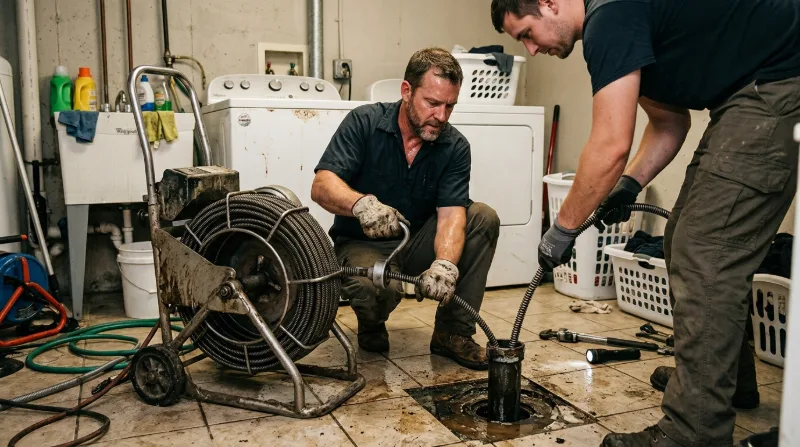
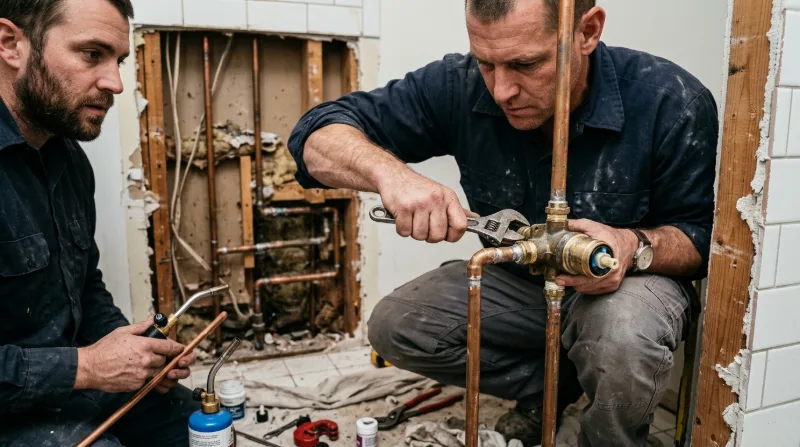
Valve cartridges, diverters and mixing valves in the same bathroom.
Showers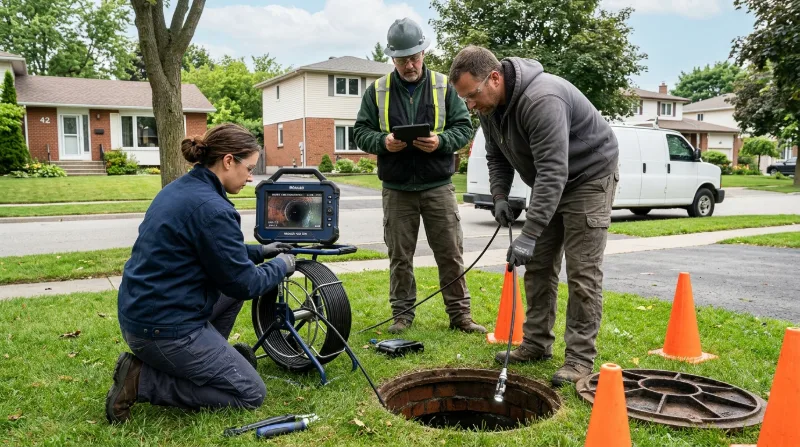
Small job, done properly
Running toilets waste more than people believe, and rocking ones cost more the longer they rock.
Residential and commercial fixtures across Buena Park, Fullerton, Anaheim, Cypress and La Palma.