
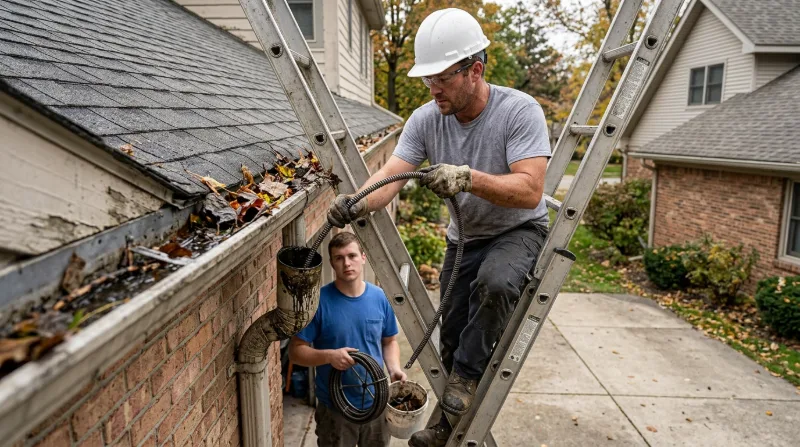
Slab leak detection
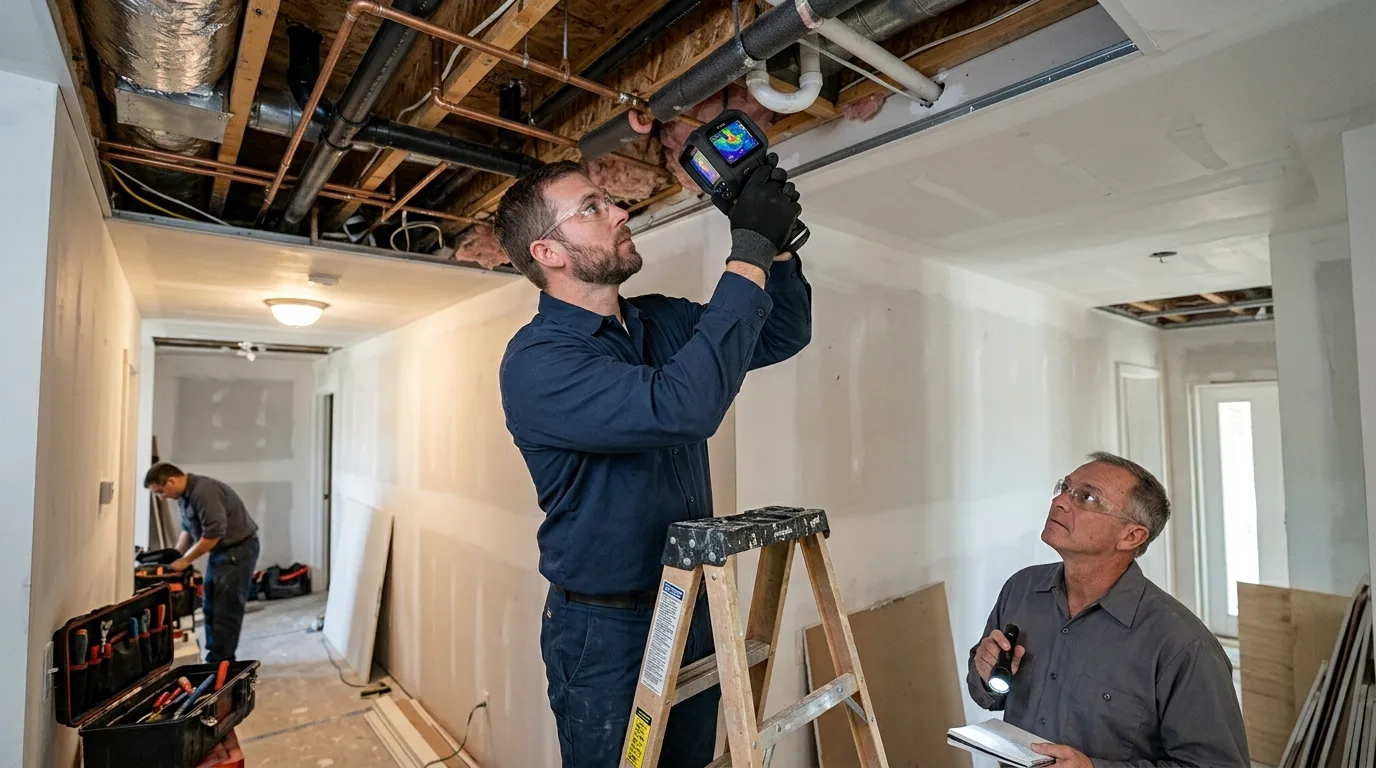
Located acoustically and thermally before anything is cut, so the concrete only opens where it has to.
Uniform housing stock
Built to one pattern in one decade, which makes diagnosis here faster and more reliable than anywhere else.
Fast to reach
Central tracts with easy access from Beach, Knott and Lincoln keep response times short.
Repair or reroute, explained
Both options priced honestly so you can weigh a one-off fix against the state of the whole system.
Mid-century slab housing
Bellehurst plumbing is predictable, and that is genuinely useful
There is a reason plumbers like working these tracts. The houses went up in a short window to a small number of floor plans, using the same materials and the same construction sequence. The supply lines run where you expect them to run. The water heater is in the garage or a hallway closet. The main shut-off is on the same side of the house on nearly every property. A plumber who has worked five of these homes can walk into the sixth and be diagnosing rather than exploring.
The flip side of that uniformity is that the whole neighborhood ages together. Copper installed in a post-war tract is now decades past the point at which it starts producing pinhole failures, and it does not fail politely one house at a time. When neighbors start comparing notes about leaks, they usually find that three or four houses on the block have had one in the past two years.
The slab is what makes it consequential. In a raised-foundation house, a supply leak drips into a crawlspace and announces itself as a damp smell. Under a slab, the same leak runs quietly under concrete for weeks, warming a patch of floor, lifting a water bill, and eventually finding its way up through a joint in the flooring or out along the foundation. By the time it is visible, it has usually been running for some time.
The earliest reliable sign of a slab leak in these houses is a warm spot on the floor, because most of them start on the hot line. The second is the sound of running water when every fixture is off. If you have either, get the meter checked before you get the flooring replaced.
How a slab leak is actually located
Nobody should be breaking concrete to look for a leak. Location is done from above, using acoustic listening equipment to hear the escape of pressurised water through the slab, thermal imaging to find the heat signature of a hot-line leak, and pressure isolation to establish whether the loss is on the hot side, the cold side, or neither. Combined, those narrow the position to a small area rather than a room.
Only then does anyone decide how to reach it. Sometimes the answer is a small, precise opening in the slab directly over the fault. Sometimes it is a reroute, abandoning the failed section in the concrete and running a new line overhead through the attic and down a wall, which avoids breaking the floor at all. On a house with one leak and otherwise healthy copper, a spot repair is reasonable. On a house that has already had two, a reroute or a full repipe is usually the better use of the money.
Why copper in these tracts produces pinholes
Pinhole corrosion in copper supply is a slow electrochemical process, accelerated by water chemistry, by high pressure, and by water velocity where a line was undersized or the pressure regulator has failed. It does not usually produce one dramatic failure; it produces a series of tiny perforations, each on its own timetable, spread through the system.
That is the reason a fourth or fifth pinhole in the same house changes the conversation. Each repair is inexpensive on its own. Five repairs plus five lots of drywall patching plus the water damage in between is not, and it does nothing to stop the sixth. The honest framing is not “you must repipe” but “here is what the next five years look like if you do not”.
Water heaters, angle stops and the rest of the original hardware
The other thing a uniform tract shares is its hardware. Original angle stops under sinks and behind toilets in these houses are multi-turn valves with rubber washers, and after this long most of them will not close fully, which people discover at the worst moment, trying to isolate a leaking fixture. Replacing them with quarter-turn ball valves is inexpensive, quick, and one of the highest-value maintenance jobs available in a house of this era.
Water heaters are the other constant. A tank in a Bellehurst garage is fighting hard local water, and the sediment that accumulates at the bottom insulates the burner from the water above it, wasting gas and eventually causing the rumbling sound people describe as the heater “boiling”. An annual flush genuinely extends its life. Where a heater is already well into its second decade, planning the replacement beats waiting for it to open up onto the garage floor.
 1 in 4of our slab-leak calls come from tracts like these
The Bellehurst call list
What we get called for on these streets
A remarkably consistent pattern, which is what happens when several hundred houses share a build year, a floor plan and a plumbing specification.
- Slab leaks on hot supply lines, located acoustically before any concrete is opened
- Pinhole failures in original copper, often several within a few years
- Original multi-turn angle stops that no longer shut off
- Garage water heaters scaled and sediment-laden from hard local water
- Cast-iron drain sections scaling down and slowing kitchen and laundry lines
- Failed pressure regulators accelerating everything above
Have your copper assessed
If you have had more than one pinhole, that assessment is worth doing before the next one.
Warm patch on the floor and a bill that climbed?
That combination is a slab leak until proven otherwise. It can be located without breaking anything, and knowing where it is costs far less than finding out the hard way.
Book slab leak detection
Detection available seven days · (714) 386-7076
The tracts
Where Bellehurst sits
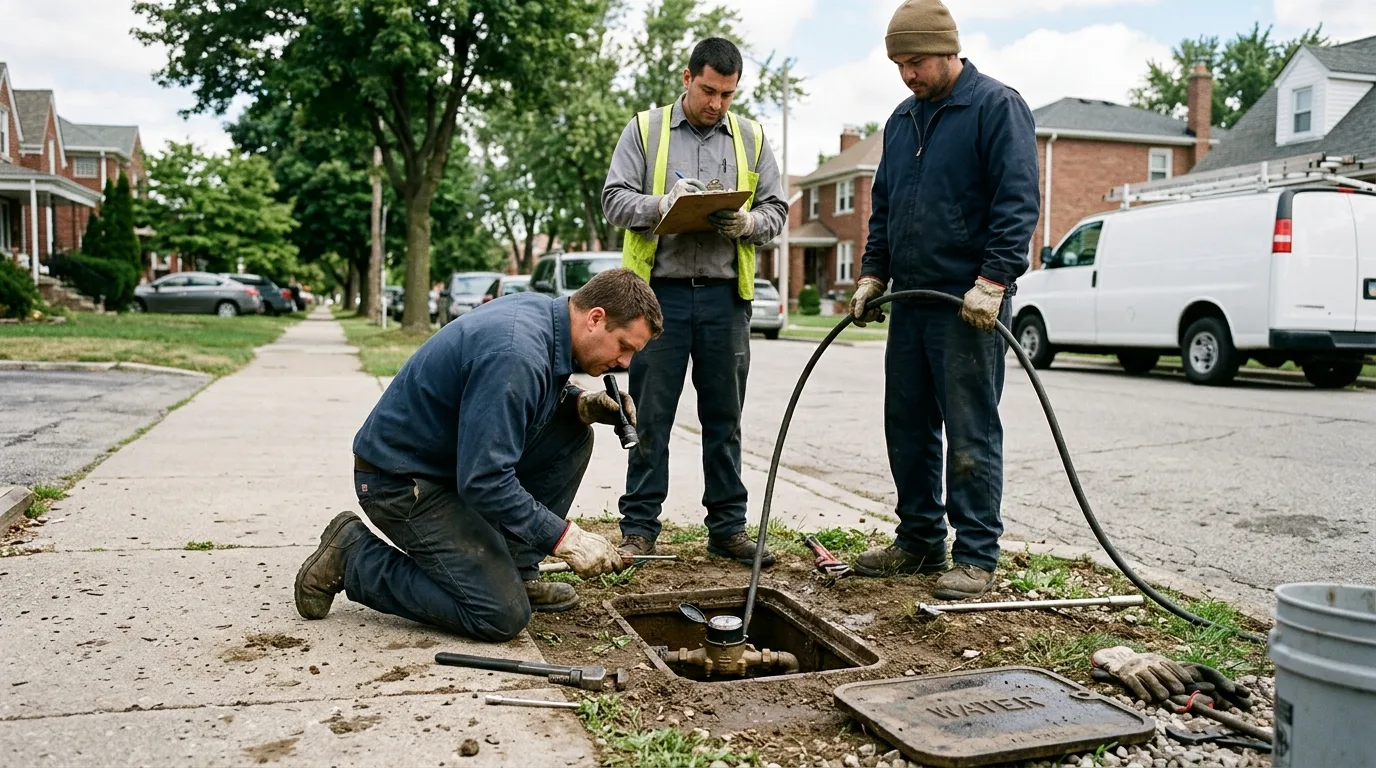
The mid-city residential tracts of Buena Park, single-story and slab-built, between the Beach Boulevard and Knott Avenue corridors.
- Bellehurst Drive
- Knott Avenue
- Crescent Avenue
- Lincoln Avenue
- Dale Street
- Holder Street
- Ninth Street
- San Marino Drive
- Camellia Drive
- Adjacent mid-city tracts
If your house is single-story, on slab, and was built somewhere between the mid-1950s and mid-1960s, this page describes your plumbing whether or not your street is named above.
What these houses need
Services Bellehurst homeowners request
Slab and supply work leads by a wide margin, followed by heater and drain maintenance.
Asked by neighbors on this side of town
Slab leak and repipe questions
Three signs together are close to conclusive: an unexplained rise in water use, the sound of running water with every fixture off, and a warm area on the floor. Any one alone has other explanations, a running toilet, a hot water line near a wall, an irrigation leak, so it is worth ruling those out first. The definitive check is the meter: shut off the main valve to the house and see whether the meter still turns. If it does, the loss is on the service line outside. If it stops, the loss is inside, and under a slab house that usually means beneath the concrete.
Not necessarily, and not before locating the leak precisely. Once the position is known, there are two routes. A spot repair opens a small, controlled section of slab directly over the fault. A reroute abandons that section of pipe entirely and runs a new line through the attic and down a wall to the fixture, which touches no concrete at all. Reroutes suit houses where the flooring is valuable or the leak is under a difficult location like a kitchen island.
Depends on the history. First pinhole in an otherwise sound system: repair it and carry on. Second within a couple of years: start planning. Third: repiping is almost certainly the cheaper path, because you are no longer paying for one repair, you are paying for a repair plus drywall plus the water damage plus the next one. A plumber should give you both prices and let you decide with real numbers rather than pressure.
For a typical single-story three-bedroom on slab, generally two to three days. The new supply runs overhead through the attic and down inside walls to each fixture, so the slab stays intact. Water is off for portions of each day rather than continuously. You will have a number of small drywall openings at each drop, and patching those, a separate finishing task, usually adds a day or two afterwards.
No, and it is one of the best-value jobs in a house of this age. The original multi-turn valves seize with age and mineral deposit; quarter-turn ball valves replace them, take a few minutes each, and actually close when you need them to. Doing all of them in one visit is far cheaper per valve than doing them one at a time as each fixture fails. If you own a house from this era and have never replaced them, it is worth doing before you need one.
Sediment. Hard water deposits minerals that settle to the bottom of the tank, and the burner heats through that layer instead of directly heating the water. Trapped water flashes to steam under the sediment and produces the rumbling. It wastes gas, reduces effective capacity, and shortens the tank’s life. Flushing helps considerably and should be done annually here; on a heater that has never been flushed and is already old, flushing occasionally reveals a problem rather than fixing one, which your plumber should warn you about beforehand.
Very likely, on a similar timetable. That is not alarmism, it is arithmetic: same build year, same materials, same water. It is also useful. Neighbors who compare notes get a genuinely accurate picture of what their block is doing, and several households scheduling related work in the same period sometimes find it easier to plan around. If two houses either side of you have repiped, take that as data.
Usually older in character, yes. Many of these tracts used cast iron for the main drain runs, and cast iron scales internally over decades, gradually reducing the bore and slowing everything. It rarely fails suddenly the way a supply line does; it just gets progressively worse until a kitchen or laundry line stops coping. A camera inspection shows the condition clearly, and hydro jetting can restore a great deal of a scaled cast-iron line without replacing it.
Get a straight repair-or-repipe answer
Tell the dispatcher how many leaks you have had. That history is what decides the recommendation.
Next door
Around Bellehurst
The neighboring mid-city areas covered on the same runs.

Slab-tract dispatch
Same houses, same problems, faster answers
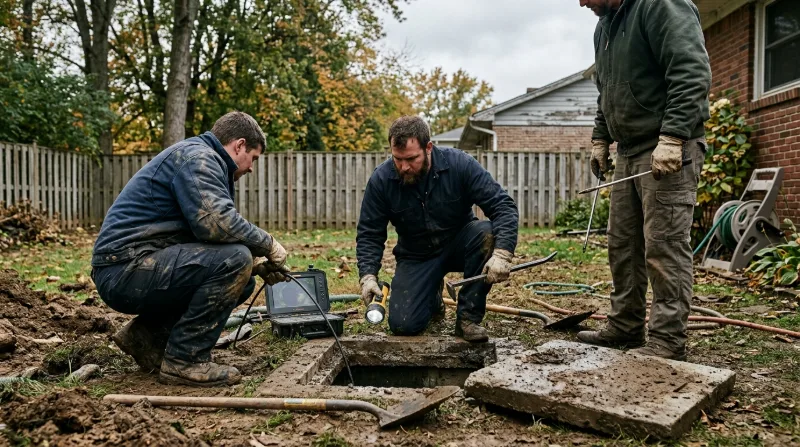
When a plumber already knows how your tract was built, the diagnosis takes minutes rather than an afternoon. Describe the symptom and you will get a realistic view straight away.
Ring the Bellehurst dispatch line
(714) 386-7076 · Someone answers at every hour